Reactive Dog Training Seattle: Reactive Rover Classes
Reactive Rover is a 6-week class designed for dogs who bark, lunge, growl, or become overstimulated when they see other dogs. You’ll learn practical skills to manage reactivity, improve focus and attention, and create calmer, more controlled walks in real-world situations.
Training focuses on clear communication, reading your dog’s body language, and building positive associations through proven techniques like counterconditioning and desensitization. You’ll also learn routines to help your dog relax and make better choices around triggers.
Classes are held at Run Wild Dog Sports and Training Center in Auburn, WA, serving dog owners throughout South King County and the greater Seattle area. Reactive dog training can help you and your dog build skills for walks, training, and everyday life together.
For all dog breeds that are adolescents and adults 20+ weeks old.
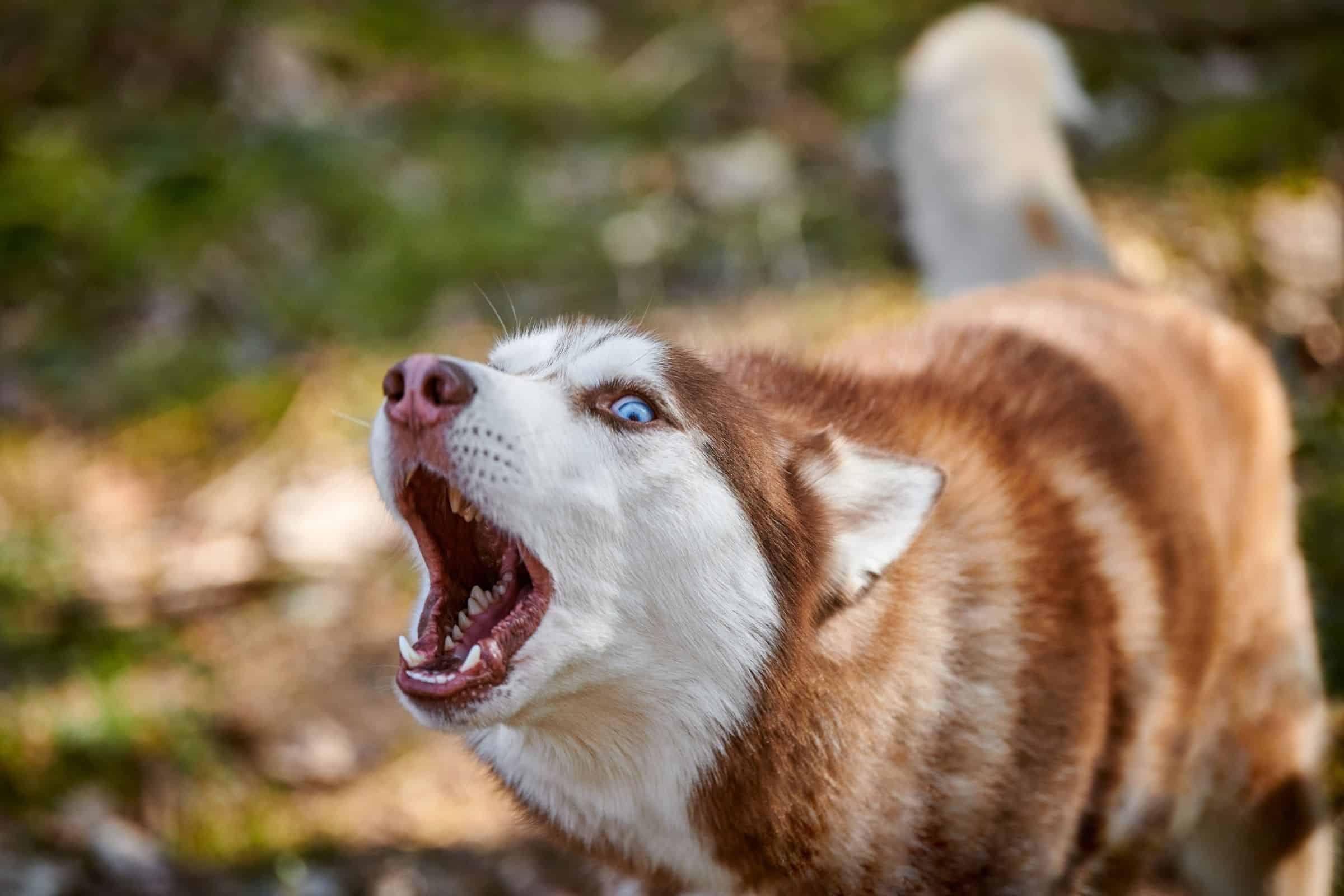
Not sure where to begin?
Find the Right Class for You and Your Dog
Barking and lunging toward people and dogs does not necessarily mean that a dog is reactive. These behaviors may be connected to excitement, frustration, fear, or another form of arousal.
A 15-minute Private Manners Evaluation can help you and your dog get into the right class. The evaluation is a useful way to understand whether you are seeing regular arousal or reactivity and to discuss your training goals.
If you are not sure where to begin with reactive dog training, an evaluation can give you a clearer starting point and practical training tips for your next steps.
What Our Clients Say

“Pacha struggled with anxiety, barking, and being crated, and those behaviors could be really challenging. Run Wild helped me better understand what was behind those behaviors and gave us ways to work through them together. The difference in our relationship and our ability to handle those situations has been huge.”
Reactive Rover Class Options
Reactive Rover Class
Reactive Rover is a 6-week class for adolescent and adult dogs 20+ weeks old. The class is designed to help you manage reactivity, improve focus, and create calmer responses around triggers.
The first session is a handler-only lecture, so no dogs attend the first class. This gives you time to learn the core concepts and prepare before beginning practical work with your dog. Classes are kept small, with a maximum of four dogs, including visual barriers. The controlled format allows teams to work with appropriate space and support while learning new skills.
Each team may work behind a barrier or one at a time, depending on the exercise and the needs of the class. This structure helps keep the environment predictable and gives dogs a better opportunity to learn.
You will learn how to read body language, manage distance, build positive associations, and help your dog relax around triggers. These skills can support more successful walks and better communication at home.
✅ Prerequisite: Dogs must be at least 20 weeks old. The first week is handler-only; dogs do not attend.
Private Training and Behavior Modification
Private behavior lessons are available for dogs who need more individualized support. Private training can include a written behavior plan and may be a helpful option when your dog’s needs do not fit a group class.
Private lessons can focus on behavior modification, trigger management, leash skills, focus, and other training goals. Contact Run Wild to discuss your dog’s behavior and determine which type of support makes sense.
We are not able to include dogs with a bite history in our classes or lessons, but we may be able to refer you to an appropriate resource. Please contact us with questions before registering.
✅ Prerequisite: None. Initial assessments are available in-home or on-site.
Learn more about Reactive Rover and private behavior support
Reactive Rover Sports Sampler
In this 6-week class, you and your dog can experience a variety of sports in a structured setting. Activities may include nosework, rally, flyball, agility, disc dog or freestyle dance, and barn hunt.
The Sports Sampler gives you a chance to explore new skills while continuing to work on communication, focus, and teamwork around other dogs.
✅ Prerequisite: Completion of a Reactive Rover class.
Foundation Agility for Reactive Dogs
This 4-week class introduces foundation agility skills for reactive dogs. Teams learn exercises such as wing wraps, target training, contact foundations for 2-on, 2-off, and shadow handling, along with introductions to jumps and tunnels.
The class provides structured practice while helping you continue to support your dog’s focus and ability to work in a controlled environment.
✅ Prerequisite: Completion of a Reactive Rover class.
Mixed Level Agility for Reactive Dogs
Mixed Level Agility for Reactive Dogs continues the agility journey after Foundation Agility for Reactive Dogs. Teams can build proficiency on obstacles and practice coursework skills such as crosses and longer sequences.
This is a 6-week class for teams ready to continue developing communication and teamwork through structured activities.
✅ Prerequisite: Foundation Agility for Reactive Dogs.
Private Manners Evaluation
This 15-minute evaluation helps determine whether barking and lunging toward people or dogs is regular arousal or reactivity, so we can guide you to the right class.
✅ Prerequisite: None. This evaluation is designed to help you choose the right starting point.
Eligibility note: We are not able to include dogs with a bite history in our classes or lessons, but we can refer you. Please contact us with questions at training@runwilddogsports.com.
Frequently Asked Questions About Reactive Dog Training
What is a reactive dog?
A reactive dog may bark, lunge, growl, or become overstimulated when they see other dogs, people, or another trigger. Reactivity looks different for every dog, which is why understanding your dog’s body language and triggers is an important part of reactive dog training.
If you’re unsure whether your dog needs a reactive dog class or a general manners class, we offer a free private evaluation to help you choose the right starting point.
What is Reactive Rover training?
Run Wild’s Reactive Rover is a 6-week reactive dog training class for dogs who bark, lunge, growl, or become overstimulated around other dogs. You’ll learn practical skills for managing reactivity, improving your dog’s focus, understanding their body language, and making walks calmer.
Where can I find reactive dog training near Seattle?
Run Wild Dog Sports offers reactive dog training at our training center in Auburn, WA. We serve dog owners from Seattle, West Seattle, Auburn, South King County, Mercer Island, Everett, Maple Valley, and surrounding communities. Reactive Rover classes are kept small, with a maximum of four dogs, to create a supportive training environment.
If you’re looking for more training options near the Seattle area, we have a variety of dog training classes at Run Wild.
Can Reactive Rover help if my dog barks and lunges at other dogs?
Yes. Reactive Rover is specifically for dogs who bark, lunge, growl, or get overexcited when they see other dogs. Training helps you understand your dog’s body language and helps your dog learn better responses to triggers.
What will I learn in a reactive dog training class?
Reactive Rover teaches dog owners how to read their dog’s body language and handle challenging situations with environmental management skills such as using barriers and creating distance from triggers. Handlers will learn training tips to use between classes that help improve their dog’s behavior for more peaceful walks and improved focus at home by building more positive responses around triggers. Training includes techniques like counterconditioning and desensitization, along with routines that help dogs relax and react more positively.
Is Reactive Rover a positive-reinforcement dog training class?
Run Wild Dog Sports uses positive, reward-based training methods across all manners and behavior training classes. Reactive Rover helps you understand your dog’s body language to improve communication and develop positive associations using counterconditioning and desensitization techniques.
How do I know if my dog is reactive or just excited around other dogs?
Barking or lunging doesn’t necessarily mean a dog is reactive. Some dogs may be experiencing excitement or high arousal instead. We offer a free 15-minute Private Manners Evaluation to help determine whether Reactive Rover or a different training class is the better fit for your dog.
If your dog needs help with everyday manners, leash walking, calmer greetings, or overexcitement, learn more about our Basic Manners classes.
Can dogs with a bite history take Reactive Rover?
We can’t include dogs with a bite history in Reactive Rover classes or private lessons. Get in touch with the Run Wild team if your dog has a bite history for a referral.
How many dogs are in a Reactive Rover class?
Reactive Rover classes hold a maximum of four dogs. Visual barriers are also used to help create a safe, controlled training environment where dogs and handlers can work on their skills.
Do I bring my dog to the first Reactive Rover class?
No. The first session of the six-week Reactive Rover class is a handler-only lecture. Dogs don’t attend the first class to give handlers the opportunity to prepare before they start training with their dogs.
Can my reactive dog eventually participate in dog sports?
Yes. We offer advanced options specifically for dogs that have completed Reactive Rover and would like to try Run Wild’s dog sports programs and agility classes. These include Reactive Rover Sports Sampler, Foundation Agility for Reactive Dogs, and Mixed Level Agility for Reactive Dogs.
Does Run Wild offer private training for reactive dogs?
Run Wild offers Private Behavior Lessons as one-on-one guidance for dogs with more complex behavioral issues. Private dog training and behavior lessons include a written behavior plan to support long-term results. Sessions can be scheduled in-home or on-site when personalized support is better suited to improve the lives of dogs and their owners.
Is Reactive Rover right for every dog that barks or lunges?
No. Barking and lunging can have different causes, and some dogs may experience overexcitement or high arousal rather than reactivity. A private evaluation can help determine whether Reactive Rover, Basic Manners, or another training option is the best place to start for your dog.
Seattle-Area Reactive Dog Training at Our Auburn Facility
Run Wild Dog Sports and Training Center is located in Auburn, WA, serving South King County and the greater Seattle area. Reactive Rover gives Seattle-area dog owners a structured, in-person class designed specifically for dogs who react to other dogs.
Unlike a standard group class, Reactive Rover keeps enrollment to a maximum of four dogs and uses visual barriers so each team has space to work. The first session is handler-only, allowing you to learn the framework before bringing your dog to class.
Meet the Reactive Rover Instructors
Reactive Rover is supported by instructors with direct experience in behavior and reactivity.

Jennifer Schneider
Jennifer has worked for 25 years as a professional dog trainer and behavior specialist, with specialties that include fear, reactivity, aggression, and other complex behavioral concerns.
She is a Certified AKC Canine Good Citizen Evaluator and holds a National Certificate Professional Dog Trainer (NCPDT).

Brenna Peterson
Brenna teaches Reactive Rovers and specializes in reactive dogs; she has helped a formerly fearful and reactive Border Collie earn more than 50 titles.

Keely Bracken
Keely teaches Reactive Rovers, Basic Manners, and private lessons at Run Wild.
Positive Reinforcement Techniques for Reactive Dog Training
Reactive dog training begins by identifying what causes your dog to react and what the behavior looks like before, during, and after an episode. This information helps you choose a manageable starting point. Keep notes about distance, setting, time of day, and recovery so you can see patterns and measure progress.
Training should not force a dog into an interaction they cannot handle. Instead, you learn to create space, watch body language, and practice at a level where your dog can still think and respond. A successful session may be as simple as noticing another dog, taking a treat, and moving away calmly.
Positive reinforcement helps build better associations and reinforces useful choices. Counterconditioning and desensitization can help change how a dog responds to triggers over time. These techniques work best when they are introduced gradually and repeated before the dog becomes overwhelmed.
Long-term results come from consistent practice and careful management. The goal is to give you skills that can be used during real walks and daily routines, not just inside the training room. Training can also help you choose better routes, plan quiet times for exercise, and create recovery time after a difficult outing.
Reactive Dog Training Classes: What to Expect
Reactive dog training classes give you a structured way to practice skills before using them on busy walks. You can learn leash handling, distance management, and practical techniques for helping your dog reorient to you when a trigger appears.
Small group classes can be useful when they are designed around safety and space. Reactive Rover limits enrollment and uses barriers or one-at-a-time work so dog owners can focus on their timing, communication, and next steps.
Your certified dog trainers can help you understand whether a reaction is connected to fear, frustration, excitement, or aggression. That context helps you choose realistic training goals and support your dog’s long-term progress.
Seattle-Area Reactive Dog Training Tips for Dog Owners
One of the most useful training tips is to plan before you leave home. Think about the route, the time of day, the likely triggers, and where you can create space if your dog needs a break. Planning can make leash walks feel less reactive and more manageable.
Dog owners can also keep a simple record of what happens during each walk. Note the trigger, the distance, your dog’s body language, the response you used, and how long recovery took. These details can help dog trainers identify patterns and adjust the training plan.
Do not measure progress only by whether a dog reacts. Look for smaller signs of success, such as noticing a trigger and looking back at you, taking food, responding to a familiar cue, or recovering more quickly. Those moments show that your dog is learning a different response.
Reactivity may sometimes look like aggression, but barking, lunging, or growling can have many causes. A dog’s behavior should be considered in context, including fear, frustration, excitement, and the desire to create distance. A qualified dog trainer can help you assess the pattern without relying on labels alone.
Reactive dog training is a long-term process. The goal is not to put your dog into difficult situations repeatedly; it is to build skills gradually, protect your dog’s ability to learn, and create more successful experiences on Seattle-area walks and in daily life.
When behavior challenges are severe, safety concerns are present, or there is a bite history, contact Run Wild before registering. The team can help you understand whether Reactive Rover, private training, or another resource is the most appropriate next step.
Experienced dog trainers can help you choose leash techniques that fit your dog’s behavior and environment. When aggression is a concern, professional guidance can help you prioritize safety, understand the behavior, and build a practical reactive dog training plan.
Get Started With Reactive Rover
If your dog barks, lunges, growls, or becomes overstimulated around other dogs, people, or distractions, Reactive Rover can help you build practical management and communication skills.
The class is 6 weeks long for adolescent and adult dogs 20+ weeks old. Classes are limited to four dogs, and the first session is a handler-only lecture with no dogs present.
Review the class information or contact Run Wild with questions about your dog’s suitability. You can also ask about a 15-minute Private Manners Evaluation.
Learn more about Reactive Rover and register
Questions? Email training@runwilddogsports.com.
